
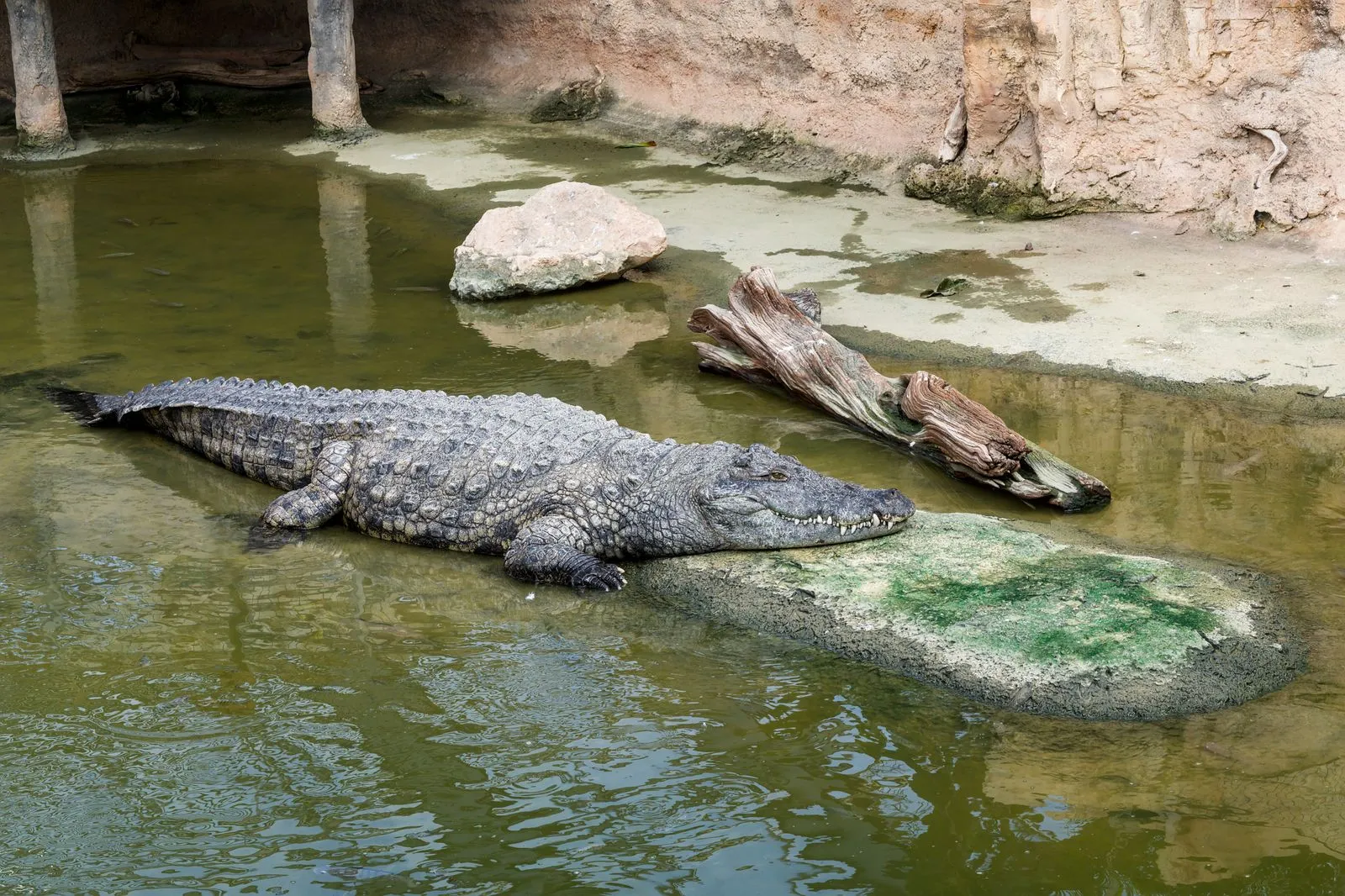
Reptiles rely on their surroundings to regulate body temperature, and the right lighting helps many species carry out essential biological processes. But there is no single setup that suits every reptile. A desert lizard, tropical gecko, and aquatic turtle can have very different needs. Build your enclosure around your animal’s species, age, health, and natural behavior, then check that the conditions are working in practice—not just according to the equipment settings.
Create a temperature gradient
Most reptiles need a warm area and a cooler area so they can move between temperatures. This range is called a temperature gradient. A basking spot provides localized warmth, while the opposite end of the enclosure gives your reptile a place to cool down. The correct temperatures vary by species, so use reliable species-specific care guidance rather than a general reptile temperature chart.
Measure conditions at the animal’s level, including the basking surface and cooler end. A digital thermometer with a probe can help you check temperatures; an infrared thermometer can measure surfaces. Take readings at different times of day and after adjusting equipment. The thermostat setting alone does not confirm that the enclosure is reaching the right temperature.
Choose and position heat safely
Select a heat source suited to the species and enclosure. Heat lamps, ceramic emitters, and under-tank heaters behave differently, and some reptiles need warmth from above to bask naturally. Use a thermostat with heat sources that require one, and secure lamps and guards so your reptile cannot touch hot equipment. Keep cables and fixtures out of reach and follow the manufacturer’s instructions.
Watch your reptile’s behavior alongside your measurements. Persistent hiding, avoiding the warm area, or staying directly under a heater can signal that conditions need review, though illness may cause similar changes. Check for hot spots, burns, and large day-to-night swings. Do not raise temperatures sharply to treat a sick reptile; contact a reptile veterinarian for guidance.
Match lighting to the species
Lighting needs depend on a reptile’s natural habitat and daily pattern. Some species benefit from UVB lighting, which helps them produce vitamin D3 and use calcium; others have different requirements. The needed UVB strength, distance, exposure time, and access to shade vary. Glass and many plastics block UVB, so placing a lamp outside a glass enclosure may prevent useful exposure.
Use the lamp type and placement recommended for your species, and provide shaded areas where your reptile can get out of the light. UVB output can decline even when a bulb still appears bright, so follow its replacement guidance and check the setup with appropriate equipment or professional advice. A balanced day-and-night cycle matters too; avoid leaving bright daytime lamps on overnight unless a veterinarian advises otherwise.
Know when to ask for advice
Get tailored advice before setting up a new enclosure, changing a heat source, or choosing UVB equipment, especially if your species’ requirements are unclear. A reptile veterinarian can help assess the animal’s needs alongside enclosure dimensions, ventilation, furnishings, and measured temperatures. This is particularly useful for young, elderly, breeding, or chronically unwell reptiles, whose needs may differ from those of a healthy adult.
Arrange a veterinary assessment if your reptile has a burn, becomes unusually weak or inactive, stops eating, develops soft or misshapen bones, or shows a persistent change in behavior. Heating and lighting problems are not the only possible causes, so avoid trying to diagnose the issue by changing several enclosure conditions at once. Bring temperature readings, lamp details, and photos of the setup to the appointment.
A suitable setup gives your reptile choices: a species-appropriate warm area, a cooler retreat, and lighting that fits its biology. Measure conditions where your animal actually spends time, and review equipment regularly. If you are unsure about the right temperatures or UVB setup, contact Leeds Reptile Vet to discuss tailored advice.